
Understanding the Impact of Alcohol on Hormonal Health and Wellbeing

I hate to break it to you, but there’s no arguing that alcohol isn’t great for our hormone health.
That evening glass (or two) of wine to unwind may unknowingly contribute to a whole host of unpleasant symptoms—think mood swings, brain fog, fatigue, and intensified PMS or perimenopause.
Even worse, this can become a vicious cycle, as these symptoms often lead us to drink to feel better. But that sense of relief is usually short-lived, and the cycle continues. This post explores how alcohol interacts with your hormones and what you can do to support your wellbeing.
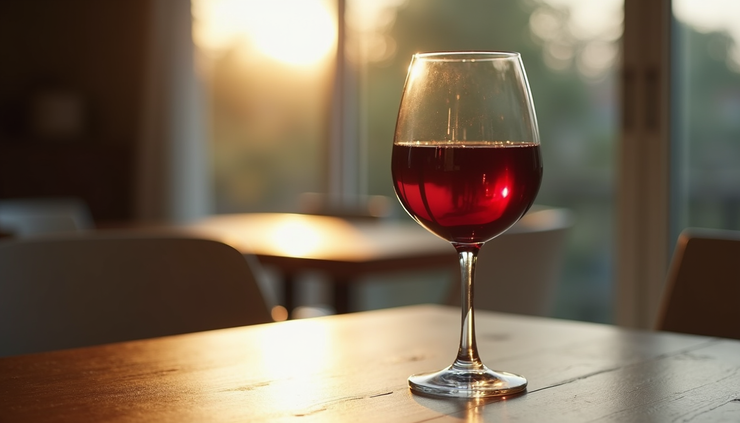
How Alcohol Affects Your Hormones
Alcohol impacts the body in many ways, but its effect on hormones is often overlooked.
Hormones regulate mood, energy, sleep, and reproductive health, so even small changes can have noticeable effects.
Alcohol Increases Oestrogen Levels
When you drink alcohol, your liver works harder to process it. This extra workload makes it difficult for the liver to break down oestrogen efficiently. At the same time, alcohol can increase oestrogen production. This combination may lead to oestrogen dominance, a condition where oestrogen levels are high relative to progesterone.
Signs of oestrogen dominance include:
Tender or swollen breasts
More intense PMS symptoms
Mood swings and irritability
Hot flushes or night sweats
For example, a woman who usually experiences mild PMS might notice her symptoms become more severe or last longer after drinking regularly. This can feel frustrating and confusing, especially if she doesn’t connect it to alcohol.
Alcohol Lowers Progesterone
Progesterone is often called the calming hormone. It helps balance oestrogen and supports mood stability. Alcohol can reduce progesterone production, which may lead to feelings of anxiety, low mood, or emotional sensitivity. These effects are especially noticeable in the luteal phase of the menstrual cycle (the time between ovulation and menstruation) or during perimenopause when hormone levels naturally fluctuate.
If you find yourself feeling more emotional or doubtful after a night of drinking, this drop in progesterone could be part of the reason.
Alcohol Disrupts Blood Sugar and Stress Hormones
Alcohol interferes with the liver’s ability to release glucose from energy stores, which can cause blood sugar levels to drop suddenly. When this happens, the body releases stress hormones like cortisol to bring blood sugar back up. This hormonal rollercoaster can lead to:
Poor or restless sleep
Feeling tired but wired
Increased feelings of stress or overwhelm
For example, you might fall asleep easily after a drink but wake up several times during the night, leaving you exhausted the next day. This cycle can worsen mood and energy levels over time.
The Domino Effect on Wellbeing
When alcohol disrupts oestrogen, progesterone, and stress hormones, it creates a domino effect that impacts overall wellbeing. Mood swings can lead to reaching for another drink to relax, which then worsens symptoms. Poor sleep affects energy and focus, making daily tasks harder. Over time, this cycle can feel exhausting and difficult to break.
Understanding this connection is empowering. It means you can make choices that support your hormones and improve how you feel.
Practical Tips to Support Hormonal Health
You don’t have to give up alcohol completely to support your hormones. Small changes can make a big difference.
1. Monitor Your Intake
Keep track of how much and how often you drink. Notice if symptoms like mood swings or fatigue worsen after drinking. This awareness helps you make informed decisions.
2. Choose Alcohol-free Options
Opt for drinks with no alcohol content or dilute your drinks with water or soda. This reduces the overall impact on your liver and hormones.
Try fermented drinks like Kombucha, Water Kefir
These have a tangy complexity that makes them a great alternative to alcohol. Plus, they’re low in sugar and great for gut health.
Missing the ‘buzz’ from booze? Try adaptogens
Adaptogens are herbs that help the body manage stress. You can find alcohol-free spirits and wine alternatives that contain adaptogens, helping you feel more relaxed and uplifted—without the negative effects of alcohol.
Get creative with mocktails
Be mindful of sugar content, but mocktails can be a fun, sophisticated way to enjoy a special drink.
3. Stay Hydrated
Alcohol dehydrates the body, which can worsen symptoms like headaches and fatigue. Review how you hydrate yourself. It is more than just drinking water.
4. Support Your Liver
Eat a balanced diet rich in antioxidants and nutrients that support liver function, such as leafy greens, berries, and nuts. Avoid excessive processed foods and sugar.
5. Prioritize Sleep and Stress Management
Good sleep and stress reduction techniques like meditation, gentle exercise, or deep breathing can help balance hormones and reduce the impact of alcohol.
Final Thoughts
Alcohol can quietly influence your hormones and wellbeing in ways you might not expect. By understanding how it affects oestrogen, progesterone, and stress hormones, you gain the power to make choices that support your health. Whether that means cutting back, choosing different drinks, or focusing on self-care, small steps can lead to big improvements in mood, energy, and overall quality of life.


Comments